
How to Automate Boilerplate Code with AI Agents
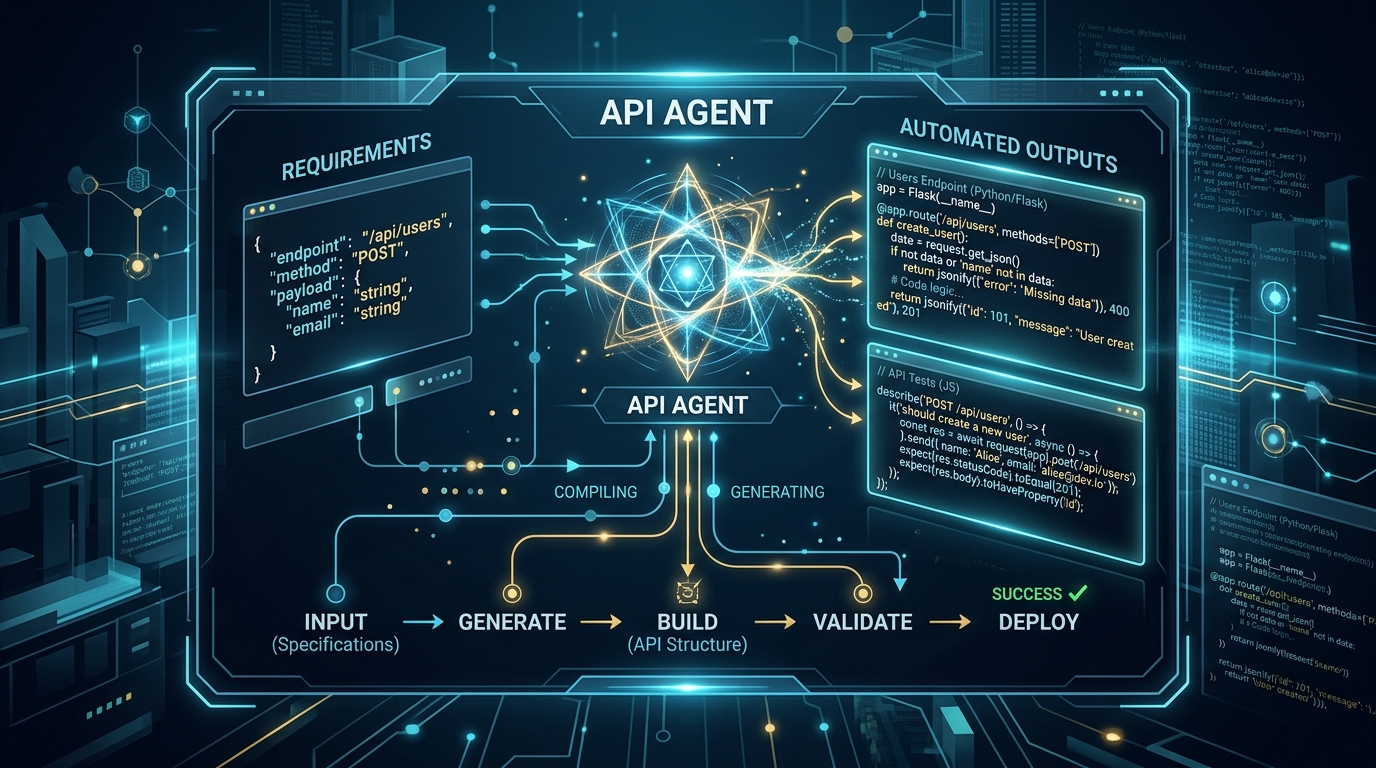
Boilerplate is the tax you pay for building software: the repetitive scaffolding, the config, the CRUD endpoints, the component shells. It is necessary, but writing it by hand is a poor use of a devel
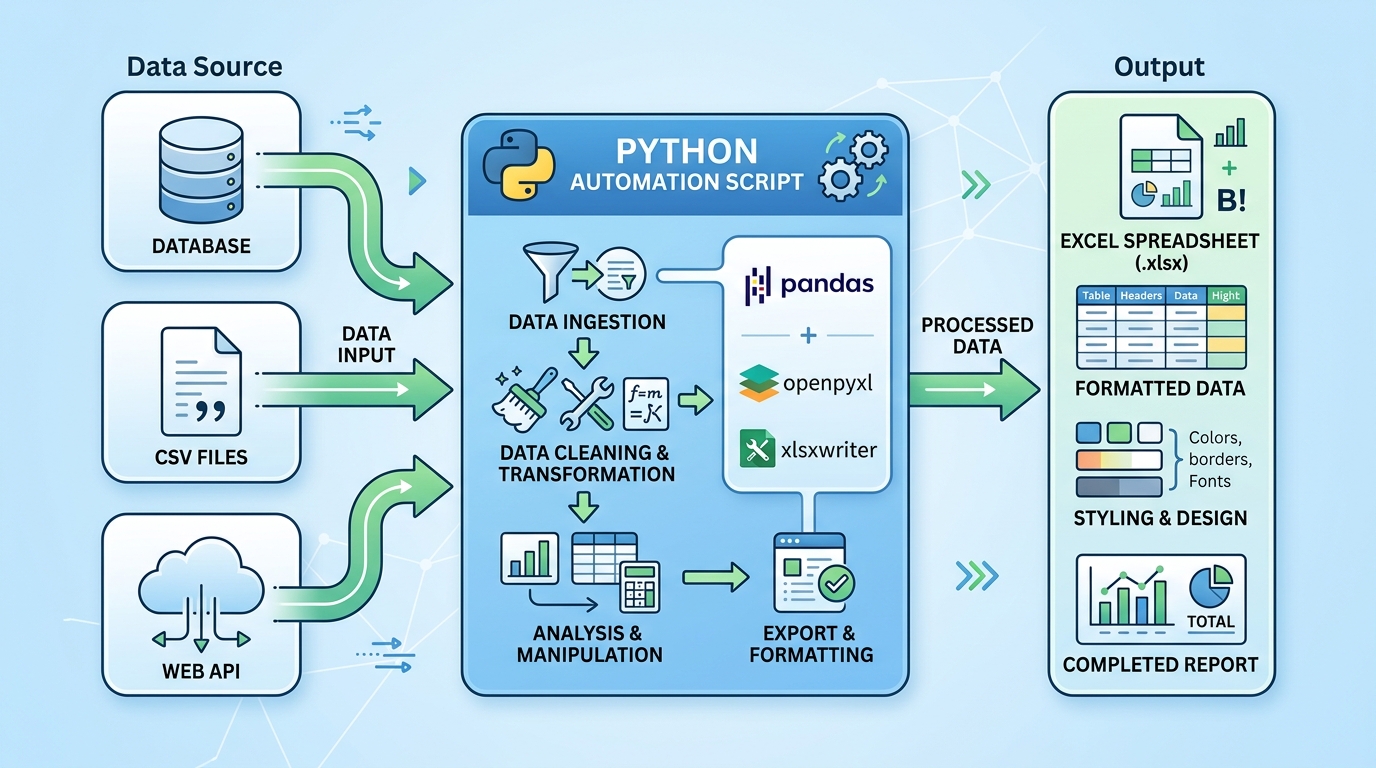
Manual data processing in Excel is inherently flawed when dealing with scale. Copying and pasting data between multiple workbooks, applying complex formulas cell by cell, and re-formatting reports eve
You have three Python scripts. One pulls data from an API. The second cleans it. The third generates a report. They need to run in order, every morning, and you need to know if something breaks.
You have a folder where files land continuously — reports, invoices, support tickets, research documents, logs. Right now, someone (probably you) opens each file, reads it, decides what category it be
Every developer has a folder somewhere full of scripts that depend on each other. A Python script that preprocesses data. A PowerShell script that deploys it. A Bash script that checks if the deployme
Most “AI automation” is just an API call with a prompt. Send text in, get text out. That works for summarization and translation, but it falls apart the moment a task requires more than one step.
We’ll explain what AI orchestration is, how it differs from traditional automation, and how real small businesses are using it today. No jargon. No hype. Just practical information you can act on.
Build visual workflows. Automate repetitive tasks. Keep your data local. It’s that simple.
This guide cuts through the noise. We compare cloud and desktop orchestration platforms head-to-head, break down pricing models that actually matter for small businesses, and help you match the right